Chain lube and wax
WD-40 Specialist Bike kettingspray 250 ml
WD-40 Specialist Bike chain spray is a lubricant in a 250 ml aerosol. According to the title, it suits all conditions.
What you get
- WD-40 Specialist Bike chain spray
- 250 ml
- Aerosol for chain and drivetrain
Why chain lube?
Every link in your chain is made of pins, plates and rollers that move over the sprockets on each turn of the cranks. Without lubricant, metal grinds on metal. The chain creaks, feels heavier and wears faster, and a worn chain takes your cassette and chainrings down with it.
The lubricant has to sit inside the link, around the pins and rollers. The outside does not need to shine. Lots of oil on the outside attracts dust and grit, and that mix acts like grinding paste. Applying the lube properly and wiping off the excess matters as much as the product itself.
There are four common types: wet lube (oil), dry lube, drip wax and hot wax. Oil holds up in the rain but gets dirty. Dry lube and wax stay cleaner but last less well in wet weather. Hot wax gives the cleanest drivetrain and takes the most work. The right choice depends on your weather, your routes and how much time you want to spend on upkeep.
How often you re-apply depends on the type and the conditions. Let the chain tell you: if it makes noise or looks dry, it is time. After a wet ride or a wash you usually re-apply. Wax and hot wax often last longer between applications, depending on the product.
The four types of chain lube compared
Each type has its own strength. Choose by the weather you ride in and how much upkeep you want to do.
| Type | How it works | Keeps the chain clean | Wet weather | Work and upkeep |
|---|---|---|---|---|
| Wet lube (oil) | Stays liquid and sticks to the links | Least. Attracts dust and grit | Strong, hard to wash off | Re-apply and wipe regularly |
| Dry lube | The solvent evaporates and leaves a thin film | Fair, cleaner than oil | Weak, rain washes it away | Needs frequent top-ups |
| Drip wax | Wax in water, a wax film remains once it dries | Good, the outside stays dry | Fair, re-apply after a wet ride | Degrease, let dry for hours |
| Hot wax | The chain is dipped in molten wax | Very good, hardly any dirt | Fair to good, depending on the wax | Most work: remove, melt the wax, dip |
A general guide. Brands and formulas differ.
Choose it if
- You want to lube your chain fast without a dropper bottle
- You ride in changing weather
- You want your chain to wear less and run more quietly.
- You ride in the rain often and choose oil or a wet-weather product.
Choose something else if
- You want a dedicated wet or dry lube for extreme conditions
- You want as little upkeep as possible. Every type needs attention, even if how often differs.
- You often ride in very wet conditions. Dry lube and wax last less well there than oil.
How to use chain lube
Clean the chain
Wipe off dirt and old lube with a cloth, or degrease the chain if it is badly soiled. Wax needs a degreased chain.
One drop per link
Pedal backwards and place one drop on each roller on the inside of the chain. Err on the side of too little.
Let it soak in
Wait a few minutes, or several hours for wax. The lube works into the links and wax dries fully.
Wipe off the excess
Hold a cloth round the chain and turn the pedals a few times. The outside should feel dry.
Keep lube away from the brakes
Shield discs, pads and rims with a cloth or a piece of card. Even a little lube makes brakes worse.
Good to know
- Wipe off excess and keep spray away from discs and rims
- Degrease the chain before lubing
- Lube on brake discs or pads cuts braking power and causes squealing. Contaminated pads usually need replacing.
- Wax sticks poorly to a chain that carries oil. Degrease thoroughly first when you change type.
- A worn chain keeps wearing, even with the best lubrication. Measure the stretch and replace it in time.
- Read the drying time on the pack. Many products only work well after a few hours or overnight.
Also in this category
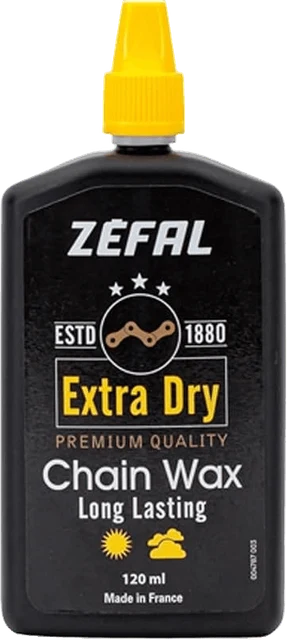
- Zefal Extra Dry Wax 120 ml1 shop · Amazon.com.be€6.49
- Dynamic Slick Wax kettingwas 100 ml1 shop · bol€11.95
- Squirt Chain Lube 120 ml2 shops · Amazon.nl, Amazon.com.befrom €14.75
- Dynamic Slick Wax kettingwas 250 ml1 shop · bol€25.99
- Zefal Pack Extra Dry Wax (set van 2)2 shops · Amazon.nl, Amazon.com.befrom €14.24
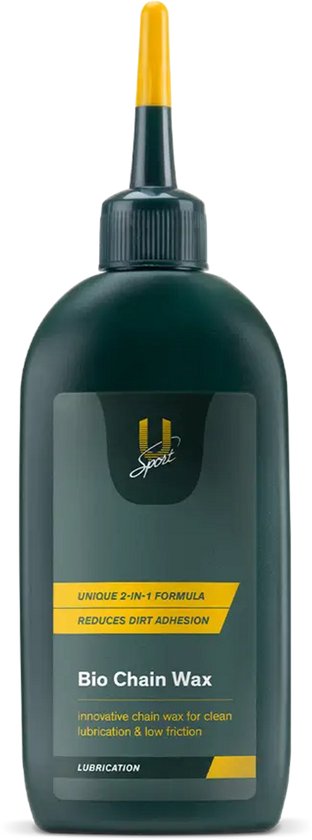
- U-Sport Bio Chain Wax 150 ml1 shop · bol€16.95